Giorgi Shaishmelashvili: What difference does it make whether you go to Minsk or go to Moscow? The goal is the restoration of institutional-diplomatic relations with Russia!
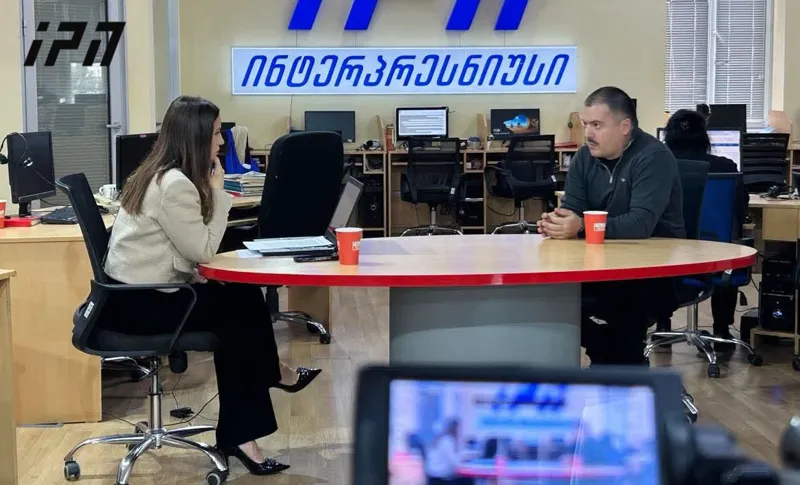
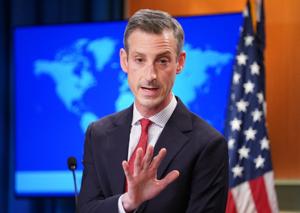
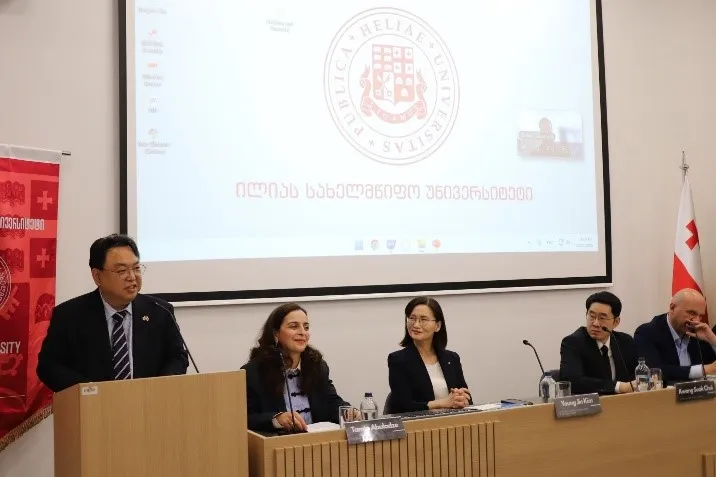
"'Georgian Dream' has prepared everything to transition to a new stage in relations with Russia, which in the end will be the restoration of diplomatic relations with Russia — what difference does it make whether you go to Minsk or go to Moscow?" stated Giorgi Shaishmelashvili, a member of the "Freedom Square" party, evaluating the holding of negotiations between Giorgi Zurabashvili and Mikhail Galuzin in Minsk under the new format of Russia-Georgia dialogue.
According to Shaishmelashvili's assessment, this decision and the progression of processes in this direction over a short period are alarming.
Speaking on PalitraNews's program "Day's Newsroom," the representative of "Freedom Square" noted that if one looks at the broader picture and sees "Georgian Dream's" policy toward the country's most important issue—territorial integrity—everything becomes clear, and against this backdrop, whether a meeting takes place in Belarus or Prague no longer makes a substantive difference.
"'Georgian Dream' says certain things publicly, while other things are implied in their actions. They say that in August 2008, combat operations were started by the Georgian side and Russia had to conduct a peace-enforcement operation. These people formalized all of this in the conclusion of a parliamentary commission and now plan to include this conclusion in school textbooks. Most importantly, the lawsuit submitted to the Constitutional Court is based on this conclusion. 'Georgian Dream' has prepared everything to transition to a new stage in relations with Russia, which in the end will be the restoration of diplomatic relations with Russia.
Why don't we have diplomatic relations with Russia to this day, and why did the Karasin-Abashidze format or negotiations in Geneva become necessary? The sole reason for this is an issue of national significance for us—the 2008 war. On the one hand, there is this attitude toward the August war, and on the other hand, on humanitarian, economic, cultural, and other issues, Prime Minister Irakli Kobakhidze has said several times that Georgia's economy cannot survive without Russian tourists, and that the Russian market is of vital importance for Georgia's agricultural products. If you are dependent on Russia to this degree and territorial integrity is not a subject of national interest for you, then naturally you must deepen relations with Russia in order to gain even more benefits in the space that is your sphere of interest. And their sphere of interest is precisely economic and financial benefit, which Bidzina Ivanishvili personally and the oligarchs around him receive as a result of relations with Russia. Simply put, their problem is that there are not yet a majority of Kvarkvare Tutaberi figures in this country, and you cannot reduce everything merely to material relations—this country has 200,000 internally displaced persons, and Abkhazia and the Tskhinvali region are important to all of us," Giorgi Shaishmelashvili stated.
According to the "Freedom Square" party representative, the new format of Russia-Georgia dialogue diminishes the significance of the Geneva negotiations format, where Georgia is not alone. Shaishmelashvili said it is an irritating factor for Russia that Georgia is represented alongside international partners in the Geneva talks.
"The main problem with Russia is its occupation of Georgia's territories and its recognition of the Abkhazia and Tskhinvali regions. If a representative of the Georgian authorities does not substantively raise this issue in negotiations with Russia and does not talk about it first and foremost, then anything becomes possible. There is the Geneva format for talking to Russia on substantive issues, where Georgia is not alone and is represented together with partners. That is why the Abashidze-Karasin format was strictly limited to economic, cultural, transport, and humanitarian issues, and not foreign and security policy issues, because that was Geneva's prerogative. It was also not accidental that Abashidze held no official post in the Ministry of Foreign Affairs and was merely the Prime Minister's representative. This underscored that this is an extraordinary situation. Now what they have done is merge the two mandates of the Geneva and Karasin-Abashidze negotiations, thereby diminishing the importance of the format where Georgia is not alone—that is, the Geneva talks.
The Geneva negotiations format, where we are represented together with international partners, is an irritating factor for Russia. Instead, Ivanishvili and Kobakhidze created a format where Georgia will supposedly achieve something that Zviad Gamsakhurdia could not achieve, President Shevardnadze—who previously was Foreign Minister of the Soviet Union—could not achieve, Mikheil Saakashvili—who made attempts at this in the first phase of his presidency—could not achieve, nor could other prime ministers of 'Georgian Dream,' and somehow Irakli Kobakhidze is going to do it!" Shaishmelashvili stated.
Shaishmelashvili also said that "Georgian Dream's" current course is completely different from what "Dream" did in 2012–2016. As he explained in this context, back then Georgia's national interests were substantive, whereas today what is substantive for them are the political interests of the regime, and the regime's political interest is maximum distancing from the West.
"This is happening because under the political order that the West offers them, they will not be able to retain power forever. Instead, they will do this with Russia and through Russians.
'Georgian Dream' is trying to make us forget the consequences of the Abkhazia war and the 2008 war—to link all conflicts to the past and speak about Tskhinvali and Abkhazia roughly the way we speak, for example, about Tao-Klarjeti; that is, it should be part of historical memory, blamed on historical circumstances and a specific political group. They plan to start relations with Russia from a clean slate, whereas if you talk to Russia on the terms that Russia demands and surrender conditions important to your country right from the start of negotiations, you cannot pass off as a victory whether three more or fewer trucks enter Moscow," Shaishmelashvili stated.
Shaishmelashvili emphasized that the ultimate goal is the restoration of institutional-diplomatic relations with Russia, which Russia needs first and foremost.
"At a time when Russia is losing important partners in the post-Soviet space, its only advance is Georgia. Moreover, in Russia they realize that advancing their positions in Georgia depends specifically on Bidzina Ivanishvili and 'Georgian Dream.' Yet they need an institutional presence in Georgia, not merely Ivanishvili. They cannot trust the Georgian people because they see that despite everything happening in the country, two-thirds of the population wants EU membership. They think Ivanishvili could change at any moment. That is why they need the European perspective in Georgia to end once and for all, ties with the EU to be severed completely, and Article 78 of the Constitution to disappear; diplomatic relations with Russia must be restored, and ideally Georgia declared a neutral state.
Important steps have been taken in all three directions and the groundwork prepared—'Dream' is simply testing our reaction every day!
The ultimate goal of all this is a constitutional majority, changing the Constitution, and creating a proxy opposition out of political organizations like 'United Neutral Georgia.'
Russia wants to ensure that Ivanishvili's next potential government, which will inevitably be pro-Western, cannot catch up with the processes currently taking place in Moldova," Giorgi Shaishmelashvili stated.