Archil Gorduladze: The issue should not be exaggerated by claiming that if a political party is banned, the voting rights of its supporters are also restricted - There is no direct link between banning a specific unconstitutional party and restricting the will of voters
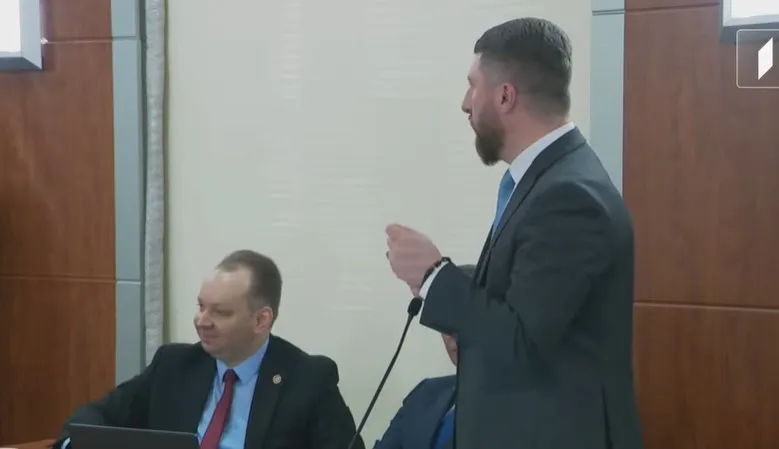
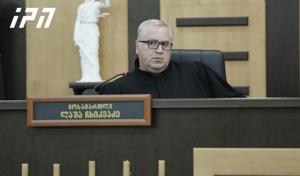
“The issue should not be exaggerated by claiming that if a political party is banned, the voting rights of its supporters are also restricted. There is no direct link between banning a specific unconstitutional party and restricting the will of voters,” Archil Gorduladze, a representative of the plaintiff, said in response to a question from Constitutional Court Judge Goga Kikilashvili.
The judge asked to what extent banning a political party would prevent voters from expressing their will in the future and whether their political will was being realised amid the current political developments.
Gorduladze said that political parties demonstrate disrespect for voters when they refuse to take up their parliamentary mandates and do not participate in parliamentary proceedings.
“Three of the political parties represented here are not represented in the Parliament of Georgia at all. What is the main purpose of a political party? It is to use various democratic means to have a voice in the representative body, come to power and, accordingly, participate in making decisions concerning the state. When voters go to the polls and vote for a particular party, they, of course, entrust their mandates to the political party of their choice. When these political parties disregard the main mandate entrusted to them by voters and stop participating in parliamentary proceedings, this is first and foremost an expression of disrespect towards the voters.
“The issue should not be exaggerated by claiming that if a political party is banned, the voting rights of its supporters are also restricted. There is no direct link between banning a specific unconstitutional party and restricting the will of voters,” Gorduladze said.
Another representative of the plaintiff, Giorgi Kakhiani, also responded to Kikilashvili’s question.
“Banning a party does not automatically mean that the political rights of these citizens are restricted. Naturally, they retain both their active and passive electoral rights. They can continue their political activities as usual and participate in elections. Therefore, framing the issue as though banning political parties restricts citizens’ rights is incorrect. This is manipulation intended to influence public opinion,” Kakhiani said.