


Shalva Papuashvili: The "principle of non-interference" is provided for in the UN Charter
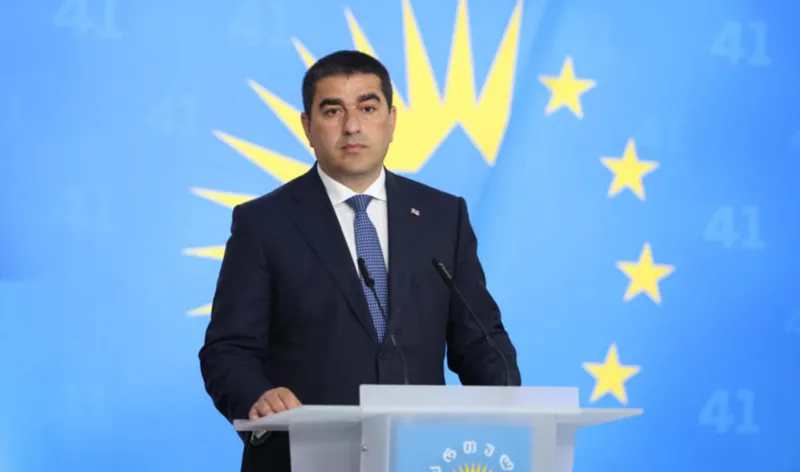
The "principle of non-interference" is a cornerstone of the rules-based international order, which is clearly enshrined in the UN Charter. The mentioned principle emphasizes the sovereign equality of all states and their right to conduct their affairs without external interference, said Shalva Papuashvili, member of the political council of "Georgian Dream", chairman of the parliament, at a press conference held in the party's office.
Papuashvili spoke about foreign interference in the election process of Georgia and noted that interference in the domestic politics of other countries, especially in elections, is against the common democratic values and the principle of respect for the sovereignty of the state.
"In a literal sense, not a day passes without a foreign statement, interview, television coverage, article or visit directly related to the parliamentary elections, the agenda of the opposition, and this information is then transferred to the media belonging to the opposition. As a result, during the pre-election period, the Georgian media is busy with the circulation of opinions coming from abroad, which makes the election environment uneven and affects its democracy and justice only negatively.
This kind of large-scale interference in the election process raises questions, is the interference from abroad a deliberate attempt to influence the political choices of the population and manipulate the election results?
Interference in the domestic politics of another country, especially in elections, is against our common democratic values and the principle of respect for the sovereignty of the state.
The "principle of non-interference" is a cornerstone of the rules-based international order, which is clearly enshrined in the UN Charter. This principle emphasizes the sovereign equality of all states and their right to conduct their affairs without external interference.
This principle is reinforced by several UN declarations, according to which "no state or group of states has the right to interfere, directly or indirectly, for any reason, in the internal or external affairs of any other state", Shalva Papuashvili said.










