


Levan Ioseliani: the Office of the Public Defender has revealed a number of shortcomings in the direction of parole
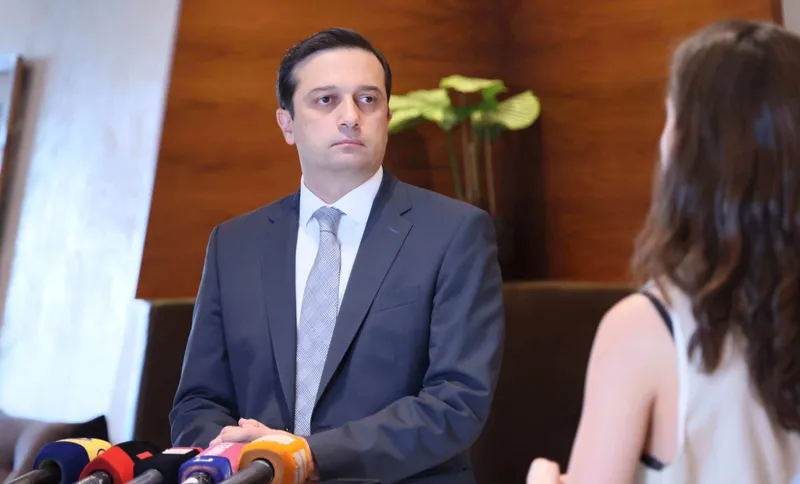
The Office of the Public Defender studied 200 cases and revealed a number of shortcomings. There are many issues that have a negative impact on the rights of the convicted, which are related to early release on parole, - public defender Levan Ioseliani said.
According to Levan Ioseliani, in the report, which refers to the postponement of sentencing during illness or pregnancy, many problems are identified both during decision-making and during the appointment of forensic expertise.
"We have a presentation of a very important study today, which refers to the grounds for postponing the sentence or release in the conditions of old age, illness or pregnancy. The Office of the Public Defender studied 200 cases and identified a number of flaws both in the decision-making process and in its content. It will also help the court in identifying and correcting the deficiencies that exist in relation to parole.
Also, when making decisions, there is a non-uniform practice. The deadlines for the appointment of the forensic examination and the duration of its preparation, which are different depending on the case. There are many issues that have a negative impact on the rights of the convicted, which are related to parole. This study is voluminous, which will help the court and the Ministry of Justice to make these mechanisms perfect," said Levan Yoselian before the start of the event.
As for the specific shortcomings, as we read in the report, the following shortcomings are revealed in connection with the postponement of the sentence:
"The Office of the Public Defender prepared the report based on the study of the cases of 194 convicts and the analysis of the regulatory legislation.
It was found that there is no set of regulations that would clarify the procedures for using preferential mechanisms. In particular:
Reasonable statute of limitations for medical examination conclusions;
Petitions are often unsubstantiated;
The shortcomings of the judicial subordination are revealed;
Judicial practice in some cases is inconsistent;
There is no legal regulation that would establish the possibility of holding an oral hearing in the appellate court and prescribe the procedure for reviewing the evidence that was investigated in violation of the law during the review of the petition in the court of first instance;
The legislation does not allow the court to determine a different interval for the repeated medical examination and submission of the report, even if the prisoner's health condition is so severe that there is no prospect of recovery;
There is no regulation that would allow a prisoner whose sentence has been suspended to additionally apply to the court for a full exemption from the sentence due to age or health;
Procedures for appeal by the convicted person/his lawyer to the Permanent Commission are unclear.
The Chairman of the Human Rights Protection and Civil Integration Committee of the Parliament of Georgia Rati Ionatamishvili, the Deputy Chairman of the Supreme Court Shalva Tadumadze and the Head of the Special Penitentiary Service Nika Tshvarashvili also spoke at the event.
In order to improve the functioning of the existing preferential mechanisms for prisoners, the Public Defender will actively continue to work with all relevant agencies," the Public Defender's report reads.










