


Shalva Papuashvili: The author of the OSCE/ODIHR report is the person who wrote the report of the European Council and at the same time was Mikheil Saakashvili's lawyer in the Strasbourg court - can there be so many coincidences?
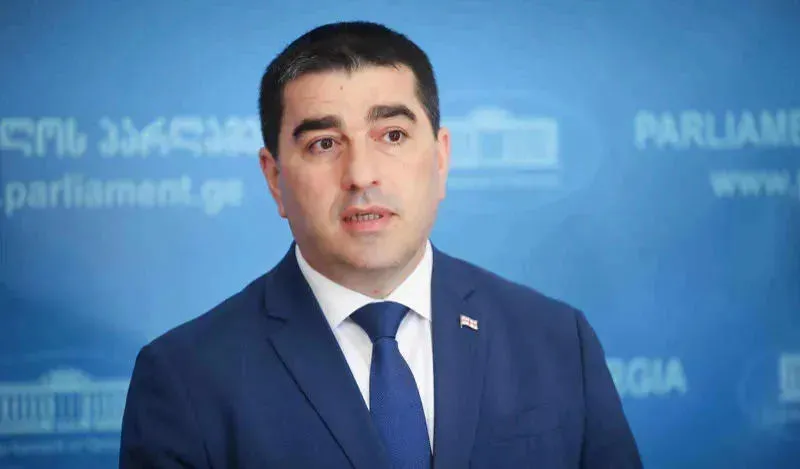
The author of the OSCE/ODIHR report is the person who wrote the report of the European Council and at the same time was Mikheil Saakashvili's lawyer in the Strasbourg court - can there be so many coincidences?! - Speaker of Parliament Shalva Papuashvili told journalists about the OSCE/ODIHR report regarding the law "On transparency of foreign influence".
According to him, "the OSCE/ODIHR report was written in a record short time".
"We saw that one of the main authors of this report is the person who wrote the report of the European Council, and at the same time was Mikheil Saakashvili’s lawyer in the Strasbourg court. He claimed that there was nothing in the case of Girgvliani, as well as in the case of Gelashvili. That's what this person argued in the Strasbourg court and now he tells us through the report that it turns out that the transparency of foreign influence is bad. Therefore, of course we have our questions regarding such reports. Can there be so many coincidences?! After all, was there no other person on earth, why should Mikheil Saakashvili's lawyer write a report? This is also important. Since this person was the sole author of the European Council's report, it is highly likely that this person was entirely entrusted with the text. I don't think the other council members were very involved in that.
At any time, including now, after the law is passed, we are ready to discuss this matter. For two months we have heard statements that the law does not match the values. When we asked which values and why, we heard an answer from the President's representative: "Because". They have been talking to us like this for two months, and it is certainly not serious," Papuashvili said.
For information, the legal analysis by the OSCE Office for Democratic Institutions and Human Rights states that Georgia's law on transparency of foreign influence does not comply with democratic standards and human rights. The analysis also highlights important differences between the law adopted in Georgia and the laws in the US (FARA) and Australia, which are fundamentally different in purpose and scope.










