


Public Defender: Georgian, Ossetian and Abkhazian population living in the conflict zone are still acutely suffering from the devastating consequences of the occupation - murderers of Basharuli, Otkhozoria, Tatunashvili and Kvaratskhelia have gone unpunished
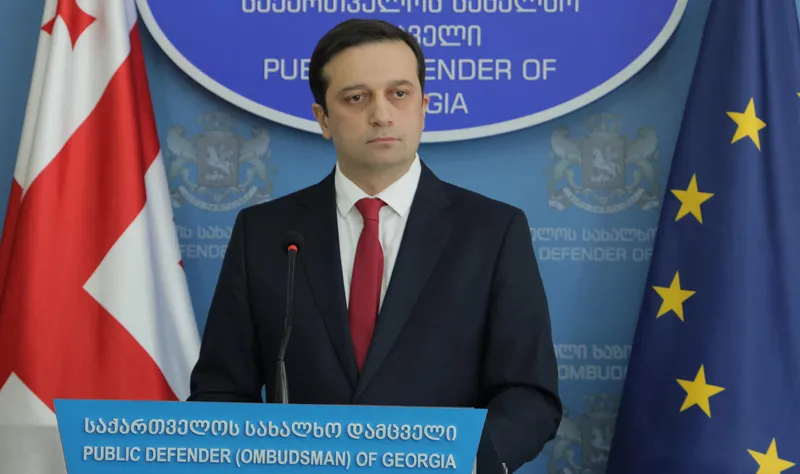
The Public Defender of Georgia has published an annual parliamentary report on the situation of human rights and freedoms in Georgia in 2023. The 386-page report addresses the challenges and progress in terms of the protection of human rights guaranteed by the Constitution, and also reviews the state of implementation of recommendations.
The report pays special attention to the occupation and related problems - the rights situation of Georgian, Ossetian and Abkhaz population living in the conflict zone; The murder of Tamaz Ginturi by the occupation regime and the impunity of the direct participants in the murder of Davit Basharuli, Giga Otkhozoria, Archil Tatunashvili and Irakli Kvaratskhelia, for which the Russian Federation is responsible.
“The Georgian, Ossetian and Abkhazian population living in the conflict zone are still acutely suffering from the devastating consequences of the occupation. In 2023, the killing of Tamaz Ginturi by the occupation regime was especially important, which happened during the lighting of a candle in the ancestral shrine in the village of Kirbali. The representatives of the occupation regime who directly participated in the murders of Davit Basharuli, Giga Otkhozoria, Archil Tatunashvili and Irakli Kvaratskhelia have gone unpunished, for which the Russian Federation is responsible".
“The practice of illegal detention and ill-treatment of citizens in the occupied territories continues. The ethnically Georgian population is not given the opportunity to receive education in their native language. More efforts are needed from the State to protect the rights of the population displaced in their own country as a result of the occupation.
Ill-treatment and illegal arrests at the occupation line, cases of illegal imprisonment, violations of property rights and almost continuous illegal "borderization" remain serious challenges. The most difficult are the health and safety conditions of women living along the occupation line, violence against women and domestic violence; lack of information about basic services”, reads the report.










