EU and WHO join forces to ensure deployment of COVID-19 vaccines in Georgia and five other countries
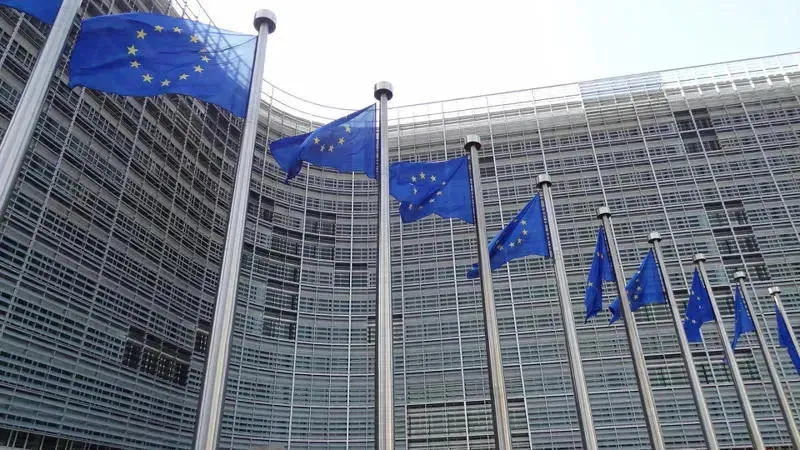
The European Union (EU) and the WHO Regional Office for Europe will work together in a major effort to support deployment of COVID-19 vaccines and vaccination in the six EU Eastern Partnership countries: Armenia, Azerbaijan, Belarus, Georgia, the Republic of Moldova and Ukraine.
According to the WHO Regional Office for Europe, the project, funded by the EU and implemented by the Regional Office, will cover all phases – constituting “end-to-end” support – of COVID-19 vaccine deployment and vaccination. It will also serve as a major investment to strengthen routine immunization systems in the six countries.With a total budget of €40 million over a three-year period, this is the largest EU and WHO joint action ever implemented in the European Region. It will complement ongoing and forthcoming work through global and regional solidarity initiatives, such as the WHO co-led COVAX Facility and the EU sharing mechanism, to ensure access to vaccines in these countries.
Carl Hartzell, EU Ambassador to Georgia said: "As part of our joint efforts to stop COVID-19, a proper and efficient vaccination campaign is key. The EU continues to stand by Georgia during the pandemic and is proud today to launch a new initiative with our close partner WHO. This initiative will support the complex vaccination rollout so that vaccines, when they arrive, are efficiently utilized and reach those that need them most."
Silviu Domente, WHO Representative and Head of the WHO Country Office in Georgia, said: "Vaccines offer hope and protection to those fighting on the frontlines of this pandemic and to those at highest risk living in fear of its devastating impact. Thanks to this generous support, WHO can strengthen its collaboration with the Government of Georgia to ensure that vaccines can reach those who need them most, as soon and as efficiently as possible."
The funds will be used initially to support the first phase of preparedness and deployment, with an emphasis on imminent needs in strategic programmatic areas such as planning, equipment/supplies, training of health workers and information campaigns.
The project builds on the European Union's and WHO's ongoing support to countries' response to the COVID-19 pandemic, including the joint €35 million EU Solidarity for Health Initiative, aimed to support the partner countries in their fight against the virus and address better the needs of the most vulnerable people.